


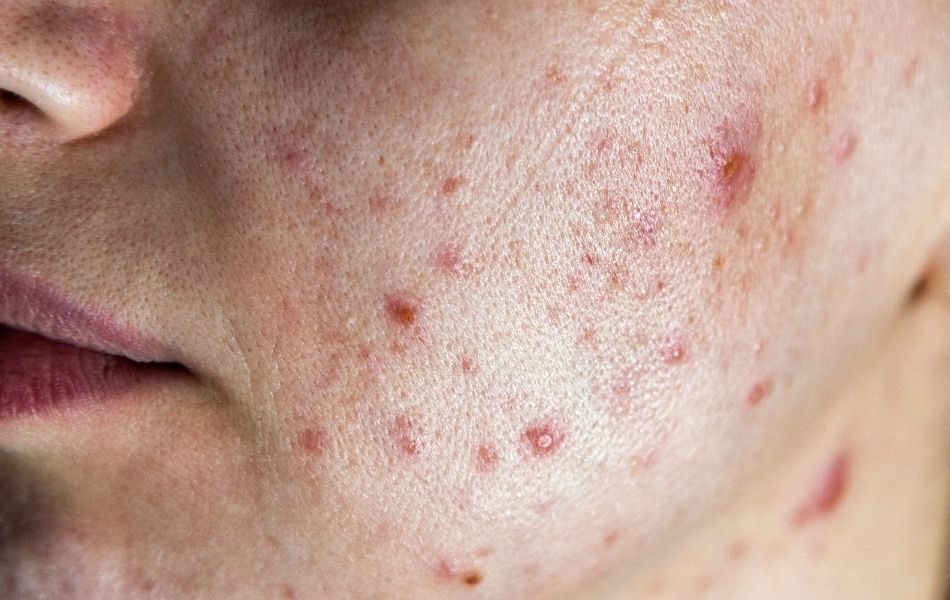
Acne is one of the most common skin conditions worldwide—and one of the most misunderstood. Many people still believe long-debunked myths
: that acne results from eating greasy foods, not washing your face enough, or poor hygiene. In reality, acne is a complex, chronic condition with real biological and environmental causes. When you understand the common causes of acne, you’re better equipped to manage breakouts and know when it’s time to see a dermatologist.
Let’s break down the science behind acne, clear up some misconceptions, and take a closer look at specific patterns, such as forehead acne, chest acne, back acne, and special situations, including what causes baby acne, what causes adult acne, and what causes fungal acne.
1. Hormones: One of the Most Common Causes of Acne
Hormones are one of the leading drivers of acne, which is why breakouts often flare during puberty, around menstrual cycles, during pregnancy, or in times of stress.
When hormones—especially androgens—increase, they trigger the sebaceous glands to produce more oil (sebum). Excess sebum easily clogs pores, leading to hormonal acne causes such as:
- Deep cystic pimples along the jawline
- Cyclical breakouts around periods
- Flares during pregnancy, postpartum, or perimenopause
What causes adult acne?
Hormones are also a major cause of acne in adults. While acne is still common in teens, adults—especially women—experience breakouts due to fluctuating hormones, stress, and lifestyle changes.
2. Genetics: Why Acne Runs in Families
If one or both parents had acne, you’re more likely to have it too. Genetics influences several factors that contribute to acne, including:
• Oil production levels
• Pore size
• Skin sensitivity
• How easily dead skin cells clog pores
Genetics won’t guarantee acne, but they can make your skin more prone to developing it.
3. Clogged Pores: The Starting Point for Many Breakouts
Acne begins when pores become clogged with excess sebum, dead skin cells, or bacteria. This process can happen anywhere on the body—not just the face. That’s why clogged pores often lead to:
- Forehead acne, especially in people who use heavy hair products
- Chest acne from sweat and friction
- Back acne (“bacne”) caused by sweat, tight clothing, and athletic gear
If you’re dealing with body acne, consider factors such as workout habits, clothing materials, and hair products that may be contributing to the issue.
4. Bacteria: A Natural Part of the Skin Microbiome
Acne isn’t caused by dirt, but bacteria do play a part. Specifically, a strain called Cutibacterium acnes (formerly P. acnes) grows in oily, blocked pores. When this bacteria multiplies, it causes inflammation, leading to painful, red breakouts.
This is why acne treatments often target inflammation or bacteria rather than “cleanliness.”
5. Overactive Oil Glands
People with acne-prone skin tend to produce more sebum, also called oil. Excess sebum is a main cause of acne, which is why certain areas like the forehead, nose, chest, and upper back are more likely to get breakouts. These areas simply have more oil glands.
Overproduction of oil can be influenced by:
- Hormones
- Genetics
- Stress
- Certain medications
- Skincare or makeup products
6. Fungal Acne: A Different Condition Often Confused with Acne
Although it's called “fungal acne,” it isn’t really acne at all. It’s known as Malassezia folliculitis, caused by an overgrowth of yeast on the skin. So what triggers fungal acne? Unlike traditional acne, fungal folliculitis is often caused by:
- Excessive sweating
- Humidity
- Tight clothing
- Antibiotic use
- A disrupted skin microbiome
It usually shows up as small, itchy, uniform bumps—commonly on the chest, back, or hairline. Since fungal acne and bacterial acne need different treatments, correct diagnosis is essential.
7. Baby Acne: A Normal, Temporary Skin Response
Parents often worry when tiny bumps appear on their newborn’s cheeks or forehead. The good news? What causes baby acne is typically harmless and temporary. The most common triggers include:
- Maternal hormones pass to the baby before birth
- Immature oil glands
- Skin sensitivity
Baby acne usually clears on its own and requires no treatment.
8. Lifestyle Factors: Not Causes, But Contributors
Lifestyle habits don’t directly cause acne, but they can certainly worsen breakouts—especially in individuals who are already genetically or hormonally predisposed to acne.
Contributing factors include:
- Heavy or comedogenic makeup
- Hair products that transfer to the skin
- Not showering after workouts
- Dirty pillowcases or phone screens
- Stress
- Diets high in dairy or high-glycemic foods
Again, these don’t cause acne, but they can exacerbate it.
9. Medications and Medical Conditions
Some medications can trigger acne or acne-like rashes, including:
- Steroids
- Certain birth control methods
- Testosterone supplements
- Some anti-seizure medications
If your acne started after a new medication, talk to your dermatologist or prescribing provider.
Clearing Up Common Myths
To recap: acne is not caused by dirt, poor hygiene, chocolate, greasy foods, or not washing your face enough. Acne is a medical condition rooted in hormonal imbalances, excess oil production, clogged pores, genetics, and inflammation.
Understanding the common causes of acne can help you make informed decisions—and identify which treatments might be effective.
When to See a Dermatologist
Acne can be frustrating, persistent, and sometimes emotionally draining. The good news is that it is treatable—with the right approach. If you’re dealing with ongoing breakouts, painful cysts, or acne that just won’t improve, a board-certified dermatologist can help identify what’s causing your symptoms and develop a personalized treatment plan.
If you’re dealing with acne—whether it’s on your forehead, chest, back, hormonal breakouts, or concerns about fungal or adult acne—Dermatology Partners is ready to help. Contact us today to schedule an appointment and receive expert guidance tailored to your specific skin needs.


