


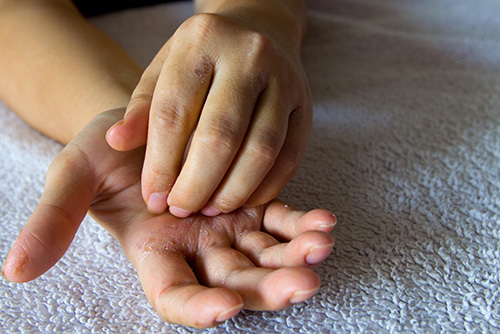
Eczema is a common chronic skin condition that affects people of all ages. While many people recognize eczema by its itchy, red, and irritated appearance, fewer realize that there are multiple types of eczema, each with different causes, triggers, and symptoms.
Knowing these differences can help patients better manage their skin and seek appropriate treatment. In this article, we will explain what eczema is, look into its various types, review its causes, and discuss when to seek professional care.*
What Is Eczema?
Eczema is a broad term for a group of inflammatory skin conditions that cause itching, redness, dryness, and irritation. The most common form is atopic dermatitis, which often begins in childhood and may continue into adulthood.
Eczema develops when the skin’s protective barrier is weakened. This allows moisture to escape while allowing irritants, allergens, and bacteria to enter, leading to inflammation and discomfort. Symptoms can vary from mild dryness to severe itching, cracking, and even oozing skin. Many patients also experience flare-ups that come and go depending on triggers such as stress, weather, or certain products.
How Many Types of Eczema Are There?
Patients often ask, how many types of eczema are there? While classifications can vary, dermatologists typically recognize several main eczema types, including:
- Atopic Dermatitis
- Contact Dermatitis
- Dyshidrotic Eczema
- Nummular Eczema
- Seborrheic Dermatitis
- Stasis Dermatitis
Each type affects the skin differently and may impact specific areas of the body.
Atopic Dermatitis
Atopic dermatitis is the most common form of eczema. It often starts in childhood and is linked to a personal or family history of allergies, asthma, or hay fever. Symptoms include dry, itchy, inflamed skin, commonly on the face, neck, elbows, knees, and hands. Children and young adults are most affected, though adults can develop it as well.
Contact Dermatitis
This type occurs when the skin reacts to an irritant or allergen. Soaps, fragrances, nickel, and certain plants can trigger contact dermatitis. The rash usually appears only where the skin touches the substance and may cause redness, swelling, or blisters.
Dyshidrotic Eczema
Dyshidrotic eczema mainly impacts the hands and feet. People often experience small, itchy blisters on the fingers, palms, and soles. Eczema on the hands can be especially uncomfortable and impede daily activities. This type is more common in adults and may be triggered by stress, sweating, or exposure to metal.
Nummular Eczema
Nummular eczema appears as round, coin-shaped patches on the skin, often on the arms or legs. These patches can be itchy and scaly and may ooze fluid. It is more common in older adults and may be associated with very dry skin or minor skin injuries.
Seborrheic Dermatitis
This form affects areas with more oil glands, such as the scalp, face, chest, and upper back. It causes red, flaky, and greasy patches and is often associated with dandruff. Infants may develop a version called cradle cap.
Stasis Dermatitis
Stasis dermatitis occurs when poor circulation in the lower legs causes fluid buildup. This leads to swelling, discoloration, and itchy, inflamed skin around the ankles. It is more common in older adults and those with vein problems.
Certain groups may be more susceptible to specific types of eczema, including children, persons with allergies, and those with chronic circulation issues.
Causes of Eczema
The causes of eczema can vary depending on the type, but most forms are linked to a combination of genetics, immune system activity, and environmental triggers.
For atopic dermatitis, a genetic defect in the skin barrier allows moisture to escape and irritants to enter. This leads to chronic inflammation and sensitivity. A family history of eczema, asthma, or allergies increases the risk.
Contact dermatitis is caused by direct exposure to irritating or allergenic substances. Dyshidrotic eczema may be triggered by sweating, stress, or metal exposure. Nummular eczema is often associated with dry skin or prior skin injuries, while seborrheic dermatitis may be influenced by skin yeast and oil production.
Common triggers across multiple eczema types include:
- Harsh soaps and detergents
- Fragranced skincare products
- Stress
- Cold or dry weather
- Allergens such as pollen or pet dander
- Certain fabrics like wool
Recognizing the causes of eczema helps patients reduce flare-ups and manage symptoms more effectively.
Get Eczema Treatment Today
Eczema is not a one-size-fits-all condition. Because there are multiple types of eczema, each patient’s experience can differ. Whether you are dealing with atopic dermatitis, persistent hand eczema, or another form of this chronic condition, professional care can make a significant difference.
If you are experiencing ongoing skin irritation, itching, or flare-ups, the dermatology specialists at Dermatology Partners are here to help. Our team offers customized care programs designed to reduce symptoms, prevent flare-ups, and improve your skin’s health.
Schedule an appointment today to start the process toward healthier, more comfortable skin.
*Medical Disclaimer
The information provided in this article is for general educational purposes only and is not intended as a substitute for professional medical advice, diagnosis, or treatment. Always seek the guidance of a qualified healthcare provider with any questions you may have regarding a medical condition. Dermatology Partners is not responsible for any errors, omissions, or outcomes resulting from reliance on this information.
Source
American Academy of Dermatology Association. (n.d.). Dyshidrotic eczema overview. https://www.aad.org/public/diseases/eczema/types/dyshidrotic-eczema
American Academy of Dermatology Association. (n.d.). Nummular eczema overview. https://www.aad.org/public/diseases/eczema/types/nummular-dermatitis
Asthma and Allergy Foundation of America. (n.d.). Eczema. https://aafa.org/allergies/allergy-symptoms/skin-allergies/eczema/
Bioderma USA. (n.d.). Eczema on hands: Identifying symptoms, types, and treatments. https://www.bioderma.us/en/expert-advice/normal-dry-to-atopic-skin/eczema-on-hands.html.html


