


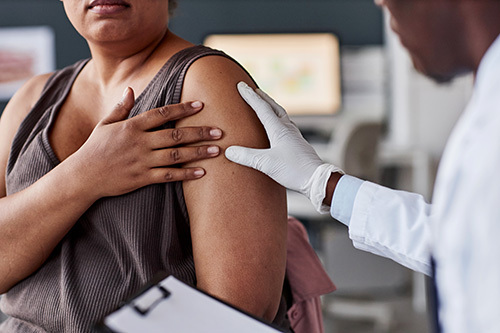
Our skin does more than protect our bodies from the outside world. As the body’s largest organ, it frequently reflects what’s happening internally. Changes in color, texture, or appearance may sometimes signal more than a simple rash or irritation.
In certain cases, these visible signs can point to underlying medical conditions that deserve attention.*
While not every skin concern is linked to a broader health issue, understanding the connection between health and skin can help you recognize when something may warrant further evaluation. Paying attention to these changes is one way your body communicates important information about your overall health.
When Skin Changes Point to Something More
Many common skin symptoms can occasionally be connected to underlying medical conditions. Noticing these potential links can help you know when to seek professional treatment from a healthcare provider.
Persistent Itching
Occasional itching is common, but chronic or unexplained itchiness can sometimes be linked to underlying conditions. For example, people with diabetes may experience dry, itchy skin due to changes in circulation and nerve involvement.
Similarly, certain blood-related cancers, such as lymphoma, can sometimes cause persistent itching without a visible rash. While itching alone does not indicate these conditions, it can be one of many symptoms justifying further evaluation when severe or long-lasting.
Dandruff and Neurological Conditions
Dandruff is extremely common and is usually associated with scalp irritation or seborrheic dermatitis. However, in some cases, severe or persistent dandruff may be associated with neurological conditions.
Individuals with Parkinson’s disease or those who have experienced a stroke may be more prone to considerable dandruff or scalp flaking. This occurs because neurological conditions can affect oil production and skin regulation. For people with a history of these conditions, paying attention to scalp and skin health may provide helpful insight into expanded changes in the body.
Sudden or Severe Acne
Acne is often associated with adolescence, but adults can experience it as well. In some cases, the sudden onset of severe acne—especially in women who did not previously struggle with breakouts—may signal a hormonal imbalance.
One condition commonly linked to this type of acne is polycystic ovary syndrome (PCOS), a hormonal disorder that can affect ovulation, metabolism, and hormone levels. Dermatologists often play a key role in identifying skin patterns that suggest further medical evaluation may be helpful.
Changes in Skin Color
Discoloration of the skin can also indicate internal health issues. When the liver or kidneys are not functioning properly, the skin may develop changes in tone or pigmentation. Some individuals may notice yellowing, darkening, or the development of unusual brown spots.
These changes can occur for many reasons, but when they appear suddenly or alongside other symptoms, they may call for further investigation to better understand what the body is signaling.
Small Bumps Around the Eyes
Tiny yellowish bumps that appear around the eyelids can sometimes be linked to high cholesterol levels. These growths, known as cholesterol deposits, may develop when lipid levels in the bloodstream are elevated.
Although they are mostly harmless on their own, their presence can occasionally serve as a visual cue for evaluating cholesterol levels as part of maintaining overall health.
Rashes That Signal Underlying Conditions
Certain rashes are strongly associated with systemic diseases and autoimmune conditions. Noticing these patterns can help healthcare providers identify issues that go beyond the skin.
For example, psoriasis is a chronic inflammatory skin condition that causes red, scaly patches. Research has shown that people with psoriasis may be at a greater risk of cardiovascular disease due to the underlying inflammatory processes involved.
Lupus, an autoimmune disease, is often associated with a distinctive “butterfly rash” that appears across the cheeks and bridge of the nose. While not everyone with lupus experiences this rash, it can be one of the more recognizable signs of the condition.
Another example is dermatitis herpetiformis, an intensely itchy rash that can develop in individuals with celiac disease or gluten intolerance. In these cases, the skin reaction is directly linked to the body's response to gluten.
Dry Skin and Thyroid Disorders
The thyroid plays an important role in regulating metabolism and many bodily functions, including skin hydration. When thyroid levels are abnormal—whether too high or too low—people may experience unusually dry, rough, or flaky skin.
Because these symptoms can develop gradually, they are sometimes overlooked. However, when persistent dryness occurs alongside other symptoms such as fatigue, hair thinning, or temperature sensitivity, it may point to a thyroid imbalance.
Why Paying Attention to Skin Health Matters
Because the skin is so visible, it can sometimes be one of the first places where internal changes become noticeable. While many skin issues are harmless and temporary, you should not ignore persistent or unexplained symptoms.
Maintaining strong skin health involves more than using the right cleansers or moisturizers. It also includes being aware of changes in your skin’s appearance, texture, or behavior. If something looks or feels different and doesn’t resolve on its own, it may be worth discussing with a medical professional.
Dermatologists are trained to recognize patterns that connect skin health to wider medical concerns, helping determine whether a condition is limited to the skin or may be related to a greater medical concern.
Supporting Both Skin Health and Overall Health
Taking care of your skin is part of caring for your body as a whole. Establishing a consistent skincare routine, protecting your skin from sun exposure, and scheduling regular skin examinations can all contribute to better lasting well-being.
Equally important is staying up to date with routine medical checkups. Annual health screenings, including skin exams, can help identify potential concerns early—often before they become more serious.
Listening to What Your Skin Is Saying
Your skin often gives valuable indications about what’s happening inside your body. Whether it’s persistent itching, unusual rashes, or unexpected changes in color or texture, these signs may reflect shifts in your overall health.
By paying attention to these signals and seeking medical guidance when needed, you can better protect your skin health and general well-being. Sometimes the smallest change on the surface can be the body’s way of encouraging you to take a closer look beneath it. Schedule an appointment today if you have any concerns about what your skin may be telling you.
*Medical Disclaimer
The information provided in this article is for general educational purposes only and is not intended as a substitute for professional medical advice, diagnosis, or treatment. Always seek the guidance of a qualified healthcare provider with any questions you may have regarding a medical condition. Dermatology Partners is not responsible for any errors, omissions, or outcomes resulting from reliance on this information.
Sources
American Academy of Dermatology. (n.d.). What your skin can tell you about your overall health. American Academy of Dermatology Association. Retrieved March 10, 2026, from https://www.aad.org/public/diseases/a-z/skin-overall-health
Williams, V. (2017, June 19). Mayo Clinic Minute: What skin changes tell you about your health. Mayo Clinic News Network. Retrieved March 10, 2026, from https://newsnetwork.mayoclinic.org/discussion/mayo-clinic-minute-what-skin-changes-tells-you-about-your-health/


