


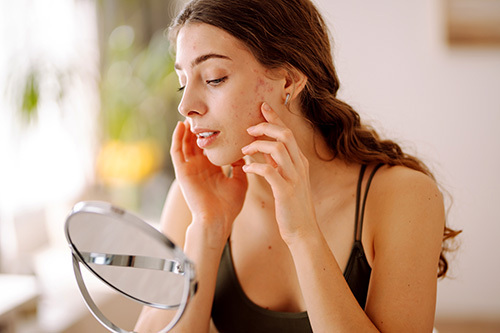
Summer means spending more time outside, enjoying longer days, and feeling the heat rise. For many, though, the warmer weather also leads to more breakouts.
If you’ve wondered, “Why do I break out in the summer?” you’re definitely not alone.
Heat, sweat, humidity, sunscreen, and more sun exposure can all make it easier for pores to clog and for skin to become irritated. Knowing how summer affects your skin can help you prevent breakouts and keep your skin healthier all season.*
Why Does Summer Make Acne Worse?
Sweat is a major factor in increased acne in the summer. When it’s hot, your body sweats more to stay cool. Sweat alone doesn’t cause acne, but when it mixes with oil, bacteria, and dead skin cells, it can clog pores and cause breakouts.
If you have acne-prone skin, heat acne can be even more frustrating. Humidity makes your skin produce more oil, which can trap dirt in your pores and lead to blackheads, whiteheads, and pimples.
People also tend to touch or wipe their faces more often in the summer. Rubbing your skin with towels, hands, or clothes can irritate it and worsen breakouts.
Can Sunscreen Cause Breakouts?
Sunscreen is essential during the summer months, but choosing the wrong product can clog pores. Sunscreen is a must in summer, but using the wrong kind can clog your pores. Many people use thick body sunscreens on their face without realizing they might be too heavy for facial skin. breakouts. Fortunately, there are many lightweight facial sunscreens specifically designed for acne-prone skin.
When shopping for sunscreen, look for products labeled:
- Oil-free
- Non-comedogenic
- Lightweight
- Designed for acne-prone skin
The right sunscreen protects your skin from UV rays and won’t make summer acne worse.
Does Swimming Make Acne Worse?
Many people think swimming pools make acne worse, but chlorine usually doesn’t cause breakouts.
However, chlorine can dry out your skin, though. When your skin gets too dry, your body may produce more oil to compensate. If you don’t maintain a good skincare routine, this extra oil can clog your pores. important to rinse off thoroughly and apply a gentle moisturizer to help restore the skin barrier.
Is Sunlight Good for Acne?
Some people think sunlight “clears” acne because tanning can make blemishes look less obvious for a while. Sun exposure can dry out pimples at first, but excessive UV exposure can irritate your skin and worsen acne over time.
Also, many acne medicines make your skin more sensitive to the sun. This means you can get red, irritated, or sunburned faster than usual if you stay out too long.
Keeping your skin safe from too much sun is key to managing heat acne and staying healthy in the summer.
How to Cure Acne Due to Heat
If you want to treat acne caused by heat, the good news is that a few simple changes to your summer skincare routine can really help.
Blot Sweat Instead of Wiping
When your skin gets sweaty, try not to rub your face hard with towels or clothes. Rubbing can make irritation and inflammation worse.y to remove sweat without aggravating acne-prone areas.
Keep Skin Clean
Washing your face often is one of the best ways to prevent breakouts in summer. Use a gentle cleanser twice a day and always wash up after heavy sweating.
Skip harsh scrubs or exfoliants, as they can strip your skin and worsen irritation.
Wear Clean Clothing
Sweaty workout clothes, hats, and towels can hold onto bacteria and oils that clog pores. Don’t re-wear sweaty clothes or use unwashed towels, especially when it’s hot.
Wearing clean clothes and using fresh towels can help reduce irritation and summer acne flare-ups. Using oil-free, non-comedogenic skincare products is essential during warmer months. This includes moisturizers, makeup, sunscreen, and body lotions applied to acne-prone areas like the chest, shoulders, neck, and back.
Lightweight products help your skin breathe and lower the chance of clogged pores.
Protect Your Skin From the Sun
Using sunscreen every day is one of the most important skincare steps, even if you have acne-prone skin. A facial sunscreen made for acne-prone skin can protect you from UV damage without causing breakouts.
Wearing hats, staying in the shade, and avoiding prolonged sun exposure can also help reduce irritation and inflammation.
When to See a Dermatology Provider
Most summer acne gets better with good skincare habits, but if your breakouts are severe or won’t go away, you might need professional help. If you have painful cysts, scarring, or are upset about your acne, see a board-certified dermatologist.
Treatments can include prescription creams, oral medications, personalized skincare tips, or procedures to help clear acne and prevent it from returning.
Taking care of your skin in the warmer months can help you avoid breakouts and keep your skin healthy all summer. If you or someone you know is dealing with heat acne or stubborn summer breakouts, seeing a board-certified dermatology provider can help you get your skin and confidence back.
*Medical Disclaimer
The information provided in this article is for general educational purposes only and is not intended as a substitute for professional medical advice, diagnosis, or treatment. Always seek the guidance of a qualified healthcare provider with any questions you may have regarding a medical condition. Dermatology Partners is not responsible for any errors, omissions, or outcomes resulting from reliance on this information.
Source
American Academy of Dermatology Association. (n.d.). 10 skin care habits that can worsen acne. American Academy of Dermatology Association
American Academy of Dermatology Association. (n.d.). Prevent summer skin problems. American Academy of Dermatology Association
The Ohio State University Wexner Medical Center. (n.d.). How to prevent summer acne. The Ohio State University Wexner Medical Center.


