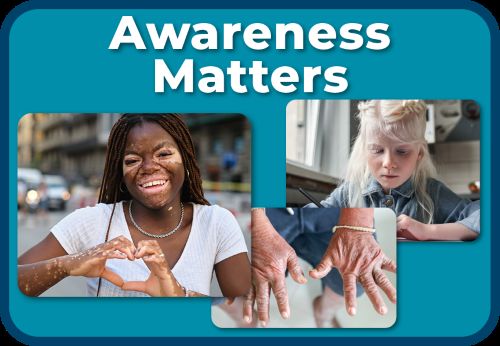
Some health conditions can affect the color of a person's skin. Albinism, scleroderma, and vitiligo are three conditions that can cause changes in skin pigmentation, but they are very different from one another.
Understanding these differences can help increase awareness and support for those living with these conditions.
1. Albinism is a genetic condition
People with albinism are born with little or no melanin, the pigment that gives skin, hair, and eyes their color. As a result, they usually have very light skin, hair, and eye color.
2. Vitiligo and scleroderma are not present at birth
Most people with vitiligo or scleroderma are born with typical skin pigmentation. These conditions usually develop later in life.
3. Autoimmune diseases can affect skin color
Vitiligo and scleroderma are linked to the immune system. In vitiligo, the body's immune system attacks melanocytes, the cells that produce melanin. This can cause patches of skin to lose color. In scleroderma, changes in the skin may result from inflammation, vascular changes, or other disease effects.
4. Some people with scleroderma may also develop vitiligo
Although they are different conditions, some people with scleroderma may also develop vitiligo because both can be connected to autoimmune activity.
5. Albinism can affect vision
Many people with albinism have vision problems because melanin also plays an important role in eye development. They may have difficulty seeing clearly or distinguishing certain colors.
6. Vitiligo is often diagnosed at a young age
Vitiligo is usually diagnosed before age 40, and many people first notice symptoms in their teens or twenties.
7. Vitiligo and scleroderma can change over time
Both conditions may progress over time. In vitiligo, areas of skin may continue to lose pigment. In scleroderma, skin changes can become more noticeable as the condition develops.
Understanding Skin Differences
While albinism, scleroderma, and vitiligo can all affect the appearance of the skin, they have different causes and symptoms. Learning about these conditions helps promote understanding and acceptance of people living with visible skin differences. If you notice changes in your skin color or texture, a board-certified dermatologist can help determine the cause and recommend appropriate treatment options.